Hot water systems operate under constant pressure, heat, and daily demand. On the Gold Coast, environmental factors such as coastal air, humidity, and higher household water usage can shorten their lifespan if they are not properly maintained.
Structuring maintenance around clear priorities helps homeowners protect their investment, improve efficiency, and avoid premature system failure.
The following guide breaks down the most effective ways to extend the life of your Gold Coast hot water system using clear, practical strategies.
How Gold Coast Conditions Impact Hot Water System Longevity
Coastal Air and Humidity Effects
The Gold Coast’s proximity to the ocean exposes hot water systems to salt-laden air and high humidity. These conditions accelerate corrosion on tanks, valves, and external pipework. Outdoor systems are especially vulnerable if they lack adequate protective coatings or are installed in exposed locations.
High Household Water Usage
Frequent showers, larger families, and lifestyle habits common in coastal areas place higher daily demand on hot water systems. Increased usage means more heating cycles, which causes faster wear on thermostats, heating elements, and pressure valves.
Temperature and Environmental Stress
Consistent warm temperatures may seem harmless, but combined with humidity they contribute to gradual material degradation. Over time, this stress reduces the structural integrity of system components if preventative maintenance is not followed.
Selecting the Right Hot Water System From the Beginning
Matching System Size to Household Demand
A system that is too small for the household will constantly struggle to meet demand. This forces it to operate continuously, significantly reducing its lifespan. Proper sizing ensures the system heats water efficiently without unnecessary strain.
Choosing Between Storage and Instant Systems
Storage systems are well suited to households with predictable, high usage, while instant systems reduce standby heating losses and may experience less internal stress. Choosing the correct system type for your usage pattern directly influences long-term durability.
Importance of Quality Materials
Systems designed for coastal environments typically feature corrosion-resistant tanks, improved anode rods, and durable external casings. These features provide long-term protection against rust and environmental damage common on the Gold Coast.
Importance of Regular Professional Servicing
Preventing Small Issues From Escalating
Annual servicing allows technicians to detect early signs of wear such as valve blockages, thermostat faults, or pressure inconsistencies. Addressing these early prevents damage to the tank and heating elements.
What a Standard Service Involves
Professional servicing typically includes checking pressure relief valves, inspecting electrical or gas connections, testing temperature controls, and identifying corrosion. These checks ensure the system operates safely and efficiently.
Recognising When Servicing Is Overdue
Unusual noises, fluctuating water temperatures, and slow hot water recovery often indicate that maintenance has been neglected. Regular servicing helps maintain consistent performance and extends overall system life.
Tank Maintenance and Sediment Control
How Sediment Build-Up Occurs
Minerals in water naturally settle at the bottom of storage tanks. Over time, this sediment layer insulates the heating element, forcing it to work harder to heat water.
Recommended Flushing Frequency
For most Gold Coast homes, flushing the tank every one to two years helps remove sediment and restore efficiency. Homes with higher mineral content in their water supply may need more frequent flushing.
Risks of Ignoring Sediment
Excess sediment leads to overheating, reduced efficiency, increased energy costs, and eventual tank failure. Regular flushing protects internal components and prolongs tank life.
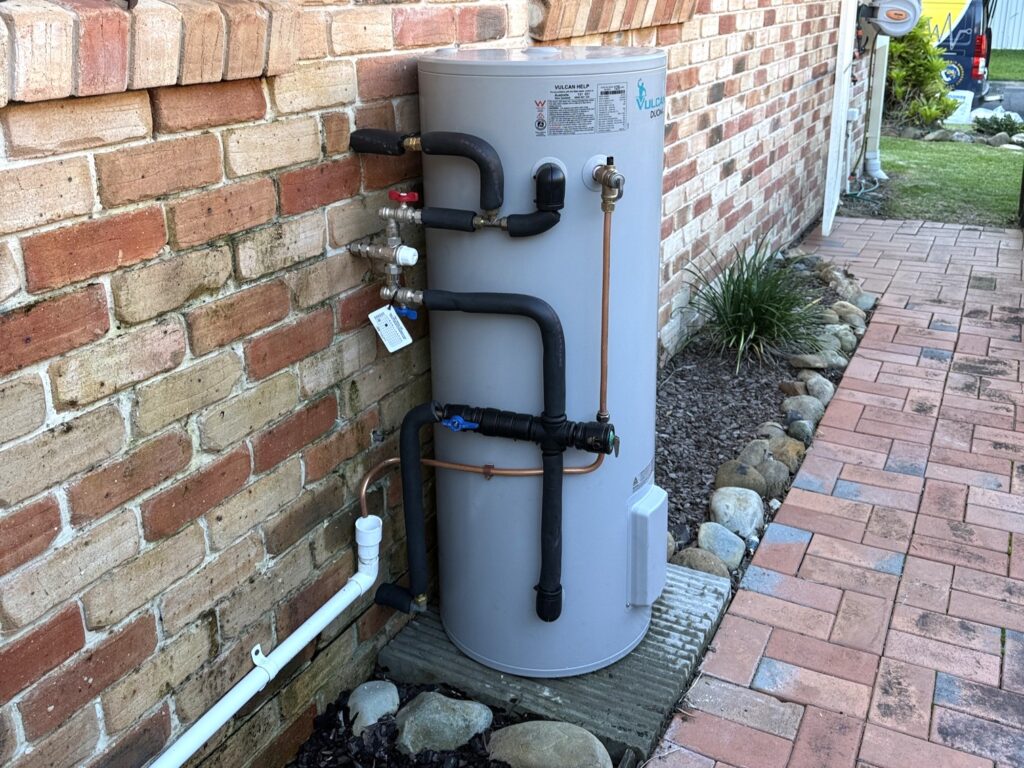
Managing the Anode Rod for Corrosion Protection
Role of the Anode Rod
The anode rod attracts corrosive elements in the water, sacrificing itself to protect the steel tank from rust. It is a critical component in extending tank lifespan.
Faster Wear in Coastal Areas
Salt and mineral exposure common on the Gold Coast cause anode rods to degrade more quickly. Without inspection, the rod may fully corrode before homeowners realise it needs replacement.
Replacement Timing and Benefits
Inspecting the anode rod every three to five years and replacing it when necessary can add several years to the life of a hot water system. Neglecting this step often leads to irreversible tank damage.
Controlling Water Pressure to Reduce System Stress
Effects of Excessive Water Pressure
High water pressure places constant stress on valves, seals, and the tank itself. Over time, this increases the risk of leaks and structural failure.
Pressure Limiting Valves and Their Role
A pressure limiting valve regulates incoming water pressure, protecting the system from sudden surges and ongoing strain. This component is essential for long-term reliability.
Warning Signs of Pressure Problems
Frequent valve discharge, banging pipes, and inconsistent temperatures often indicate pressure issues. Addressing these signs early helps prevent major system damage.
Optimising Temperature Settings for Longevity
Ideal Temperature Ranges
Setting water temperature too high increases internal pressure and accelerates wear. Balanced temperature settings reduce stress while maintaining safety and comfort.
How Overheating Shortens System Life
Excessive heat damages heating elements, thermostats, and pressure valves. Maintaining stable temperature settings allows components to operate within safe limits.
Balancing Efficiency and Safety
Correct temperature control improves energy efficiency and reduces the likelihood of component failure. This balance plays a key role in extending system lifespan.
Protecting the System From External Damage
Installation Location Considerations
Systems installed in sheltered, well-ventilated areas are less exposed to salt air and direct sunlight. Proper placement significantly reduces environmental wear.
Use of Protective Coatings and Covers
Weather-resistant coatings help protect metal surfaces from corrosion. Covers should be designed specifically for hot water systems to avoid trapping moisture.
Drainage and Surrounding Conditions
Ensuring proper drainage around the system prevents water pooling, which can accelerate rust and compromise structural integrity.
Reducing Daily Wear Through Smart Usage
Water-Saving Habits That Help
Using efficient showerheads, fixing leaks promptly, and spreading out hot water usage reduces system workload and heating cycles.
Managing Peak Demand
Avoiding simultaneous high-demand activities reduces strain on the system. This helps maintain consistent performance and reduces long-term wear.
Upgrading Fixtures for Efficiency
Modern fixtures designed for water efficiency reduce hot water consumption while maintaining pressure. This lowers demand without sacrificing comfort.
Knowing When Replacement Becomes the Better Option
Signs a System Is Near the End of Its Life
Rusty water, repeated breakdowns, visible corrosion, and rising energy costs often indicate that replacement is more economical than repair.
Repair Versus Replacement Costs
Older systems frequently require ongoing repairs that add up over time. Planning replacement before total failure avoids emergency costs and downtime.
Planning Ahead for System Upgrades
Proactive replacement allows homeowners to choose the best system for their needs rather than settling for limited emergency options.
Building a Long-Term Maintenance Strategy
Creating a Preventative Maintenance Schedule
Tracking servicing, flushing, and inspections ensures that essential tasks are not missed. Consistency is key to extending system life. It’s important to regularly check your plumbing appliances and drainage to make sure your home doesn’t end up having blocked drains or poor hot water.
Working With Licensed Professionals
Qualified professionals understand local conditions and system requirements. Their expertise helps identify issues early and maintain compliance.
Financial Benefits of Proactive Care
Preventative maintenance reduces energy costs, minimises breakdowns, and extends system lifespan. Over time, this approach delivers significant savings and peace of mind.